
How Microplastics Travel From Rivers Into Agricultural Soil and Food Systems

How Microplastics Travel From Rivers Into Agricultural Soil Quick answer: Microplastics travel from rivers into farmland mainly through irrigation water, floods, and the reuse of treated wastewater or sewage sludge. Wind can add more. Once in soil, they can stay for a long time and may change soil health. Whether they move into crops and…
Read Full News

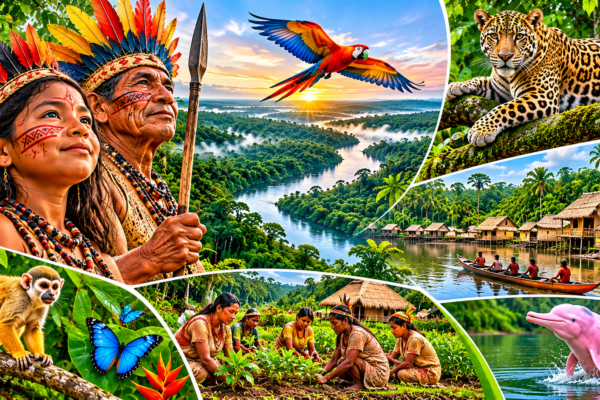
How Indigenous Communities Are Protecting the World’s Largest Tropical Rainforest

Indigenous Communities Protecting the Amazon Rainforest Quick answer: Indigenous communities protect the Amazon by defending their territories, patrolling for illegal logging and mining, and using traditional knowledge to manage forests in balance. Studies show that Indigenous lands lose less forest than surrounding areas and store large amounts of carbon. Secure land rights, funding, and legal…

Read Full News

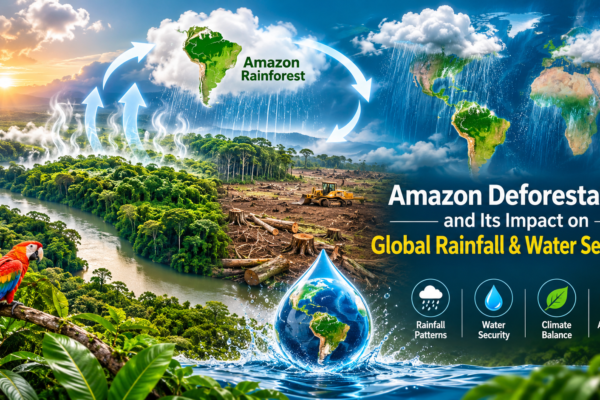
How Amazon Deforestation Is Changing Global Rainfall Patterns and Water Security

Amazon Deforestation Effects on Global Rainfall & Water Quick answer: Amazon deforestation reduces the water vapor that trees release into the air. This weakens moisture recycling, shortens and dries the rainy season, and raises drought risk across the Amazon basin and connected parts of South America. Effects on rivers, farms, and water supplies can follow….

Read Full News
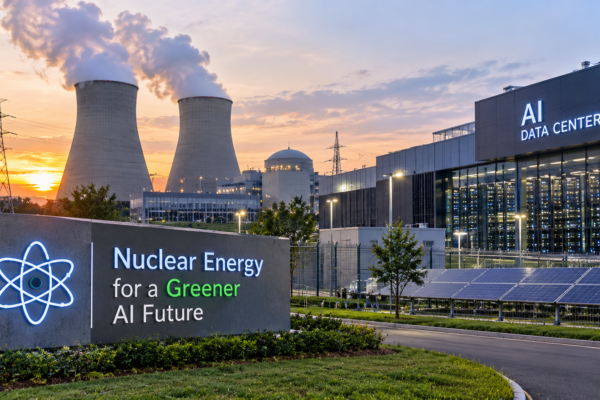
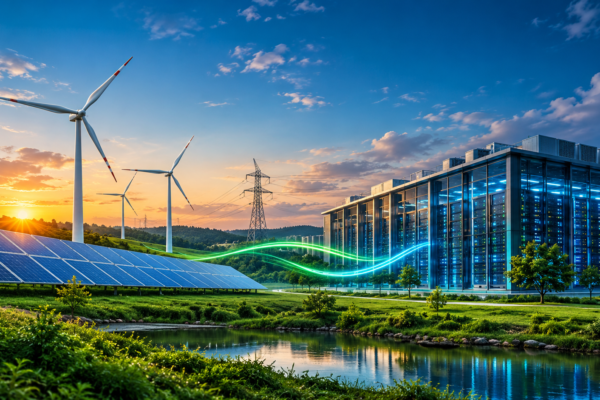
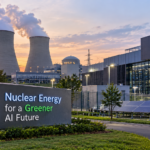
Can Nuclear Energy Make AI Data Centers Greener

Can Nuclear Energy Make AI Data Centers Greener?

Can Nuclear Energy Make AI Data Centers Greener? Quick answer: Nuclear energy could make AI data centers more sustainable by providing reliable, low-carbon electricity around the clock. It can help reduce dependence on fossil fuels as AI computing demand grows. However, radioactive waste, water use, high construction costs, safety, and slow reactor timelines remain real…

Read Full News

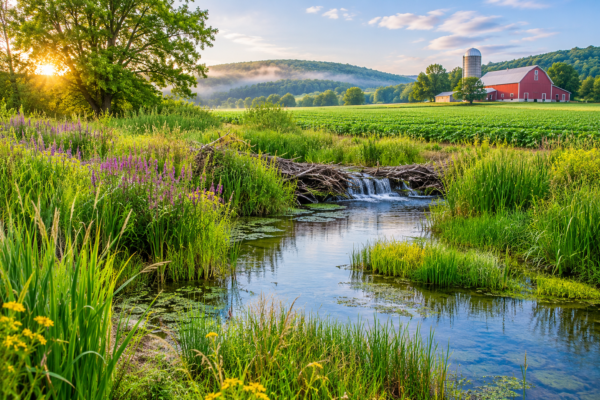
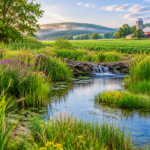
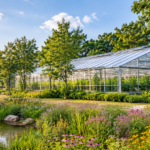
How Do Native Wetlands Save Water? Lessons for Smart Farms

How Do Native Wetlands Save Water? Lessons for Smart Farms Quick answer: Native wetlands save water by slowing it down, filtering it, and storing it. Wildlife such as beavers and muskrats keep this system working. Farms can copy it with constructed wetlands, planted swales, and closed-loop irrigation. In this Article Why Do Native Wetlands Matter…

Read Full News

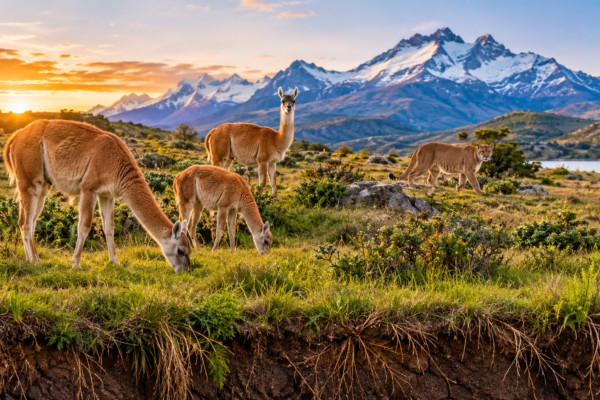
How Protecting Wild Wildlife Can Lower Global Greenhouse Gas Levels

When people picture climate solutions, they usually picture solar panels, electric cars, or newly planted forests. Few picture a herd of guanaco grazing a Patagonian grassland, or a wombat digging a burrow in the Australian outback. Yet a growing field of science called zoogeochemistry is showing that wild animals are active engineers of the global…

Read Full News
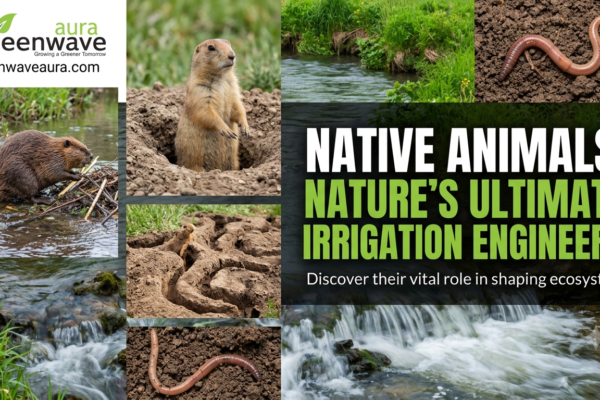
Native Animals That Act as Nature’s Ultimate Irrigation Engineers

Native Animals That Act as Nature’s Ultimate Irrigation Engineers

Long before pumps, pipes, and center-pivot sprinklers, wild animals were already managing water across entire landscapes. Beavers, prairie dogs, wombats, and dozens of other native species move soil, slow streams, and open channels for rainwater in ways engineers are only now learning to copy. For farmers and landowners facing rising energy bills and deepening droughts,…

Read Full News

Can Green Energy Keep Up with AI? The Hidden Power Cost of Large Language Models

A deep dive into AI energy consumption, data center power demand, and the carbon footprint of AI – and what green computing can realistically fix. Somewhere in the time it takes you to read this sentence, generative AI tools around the world have processed thousands of prompts. Multiply that by every minute of every day,…

Read Full News