




How Microplastics Travel From Rivers Into Agricultural Soil and Food Systems

How Microplastics Travel From Rivers Into Agricultural Soil Quick answer: Microplastics travel from rivers into farmland mainly through irrigation water, floods, and the reuse of treated wastewater or sewage sludge. Wind can add more. Once in soil, they can stay for a long time and may change soil health. Whether they move into crops and…

Read Full News

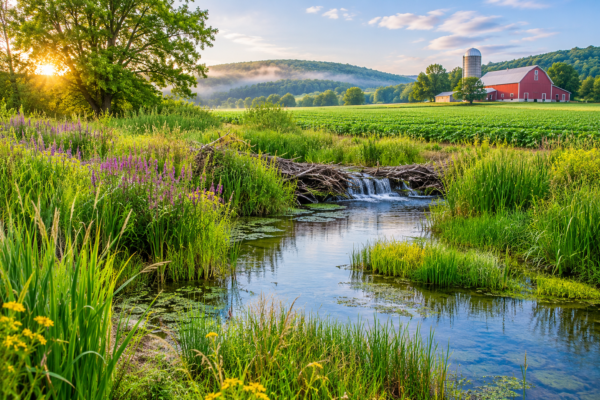
How Do Native Wetlands Save Water? Lessons for Smart Farms

How Do Native Wetlands Save Water? Lessons for Smart Farms Quick answer: Native wetlands save water by slowing it down, filtering it, and storing it. Wildlife such as beavers and muskrats keep this system working. Farms can copy it with constructed wetlands, planted swales, and closed-loop irrigation. In this Article Why Do Native Wetlands Matter…

Read Full News

The Smart Greenhouse Secret: Why Surrounding Your Facility with Wild Ecosystems Saves Energy

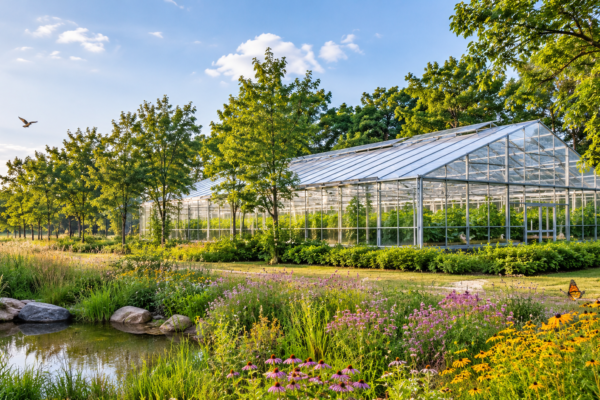
Controlled Environment Agriculture (CEA) promises precision: exact temperature, exact humidity, exact light. But precision costs energy, and energy is usually the single largest line item in a commercial greenhouse budget. What if the landscape around your greenhouse could do part of that climate-control work for free? Decades of forestry and agricultural extension research confirm that…

Read Full News

How Protecting Wild Wildlife Can Lower Global Greenhouse Gas Levels

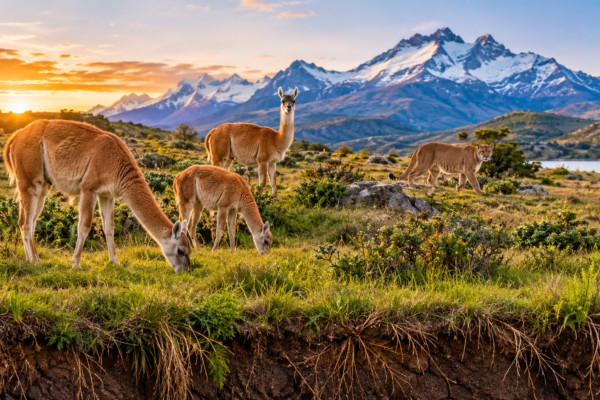
When people picture climate solutions, they usually picture solar panels, electric cars, or newly planted forests. Few picture a herd of guanaco grazing a Patagonian grassland, or a wombat digging a burrow in the Australian outback. Yet a growing field of science called zoogeochemistry is showing that wild animals are active engineers of the global…

Read Full News
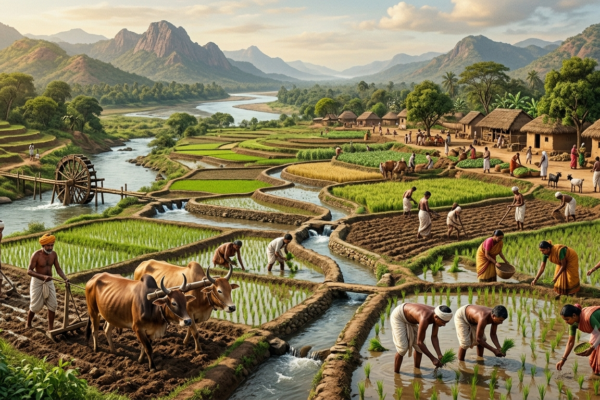
Native Animals That Act as Nature’s Ultimate Irrigation Engineers

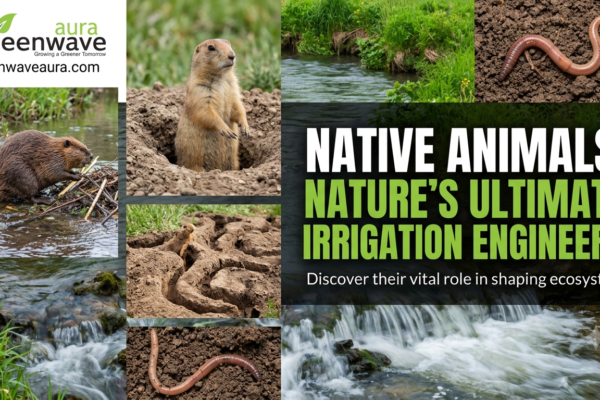
Native Animals That Act as Nature’s Ultimate Irrigation Engineers

Long before pumps, pipes, and center-pivot sprinklers, wild animals were already managing water across entire landscapes. Beavers, prairie dogs, wombats, and dozens of other native species move soil, slow streams, and open channels for rainwater in ways engineers are only now learning to copy. For farmers and landowners facing rising energy bills and deepening droughts,…

Read Full News
BRICS Digital Agriculture Initiative AI, Seed Security, and Regenerative Farming

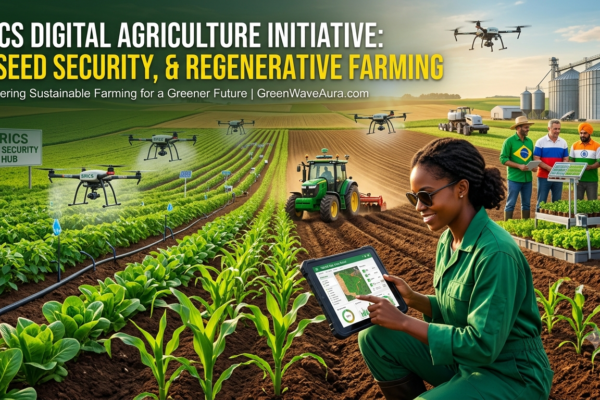
BRICS Digital Agriculture Initiative: AI, Seed Security, and Regenerative Farming

India’s BRICS chairship has launched a Network on Digital Agriculture, the BRICS AGRIN seed-sharing initiative, and new agroecology centres – a coordinated bet that AI and traditional farming knowledge together can climate-proof Global South food systems. Key Takeaways Farming on a Changing Climate’s Terms Climate change is not an abstract future risk for the world’s…

Read Full News
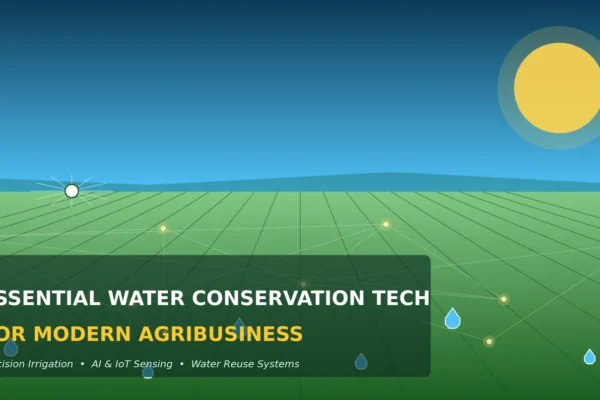
Essential Water Conservation Tech for Modern Agribusiness

Essential Water Conservation Tech for Modern Agribusiness

Water is quietly becoming the most consequential input on the modern farm – more decisive to next season’s yield than fertilizer, seed genetics, or even labor. Agriculture accounts for roughly 72% of all freshwater withdrawn globally, according to the Food and Agriculture Organization of the United Nations (FAO) AQUASTAT 2025 snapshot, and renewable freshwater availability…

Read Full News
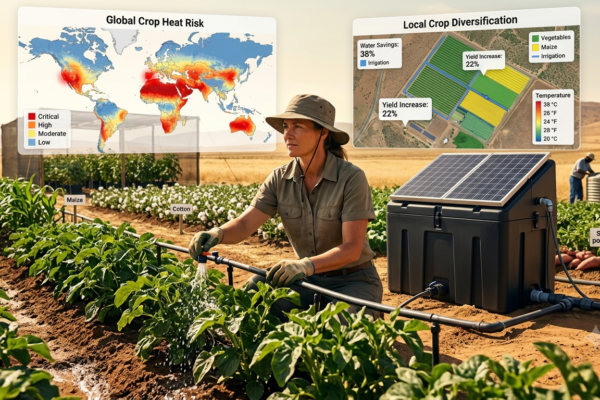
MODERN EMERGENCY WATER STRATEGIES FOR EXTREME HEAT IN AGRICULTURE

MODERN EMERGENCY WATER STRATEGIES FOR EXTREME HEAT IN AGRICULTURE

Extreme heat is no longer a once-a-decade event that farmers ride out and forget. It is becoming the operating condition of modern agriculture. A joint 2026 report from the Food and Agriculture Organization (FAO) and the World Meteorological Organization (WMO) found that extreme heat now threatens the livelihoods of roughly 1.23 billion people worldwide and…

Read Full News