






Quick answer: Indigenous communities protect the Amazon by defending their territories, patrolling for illegal logging and mining, and using traditional knowledge to manage forests in balance. Studies show that Indigenous lands lose less forest than surrounding areas and store large amounts of carbon. Secure land rights, funding, and legal support make this work stronger.
Why Are Indigenous Communities Essential to Amazon Rainforest Conservation?
The Amazon is the world’s largest tropical rainforest. It stores carbon, shelters a huge share of the planet’s species, feeds rivers, and helps shape rainfall. Indigenous peoples have lived in this forest for thousands of years. They know it well, and many of their territories are still largely intact.
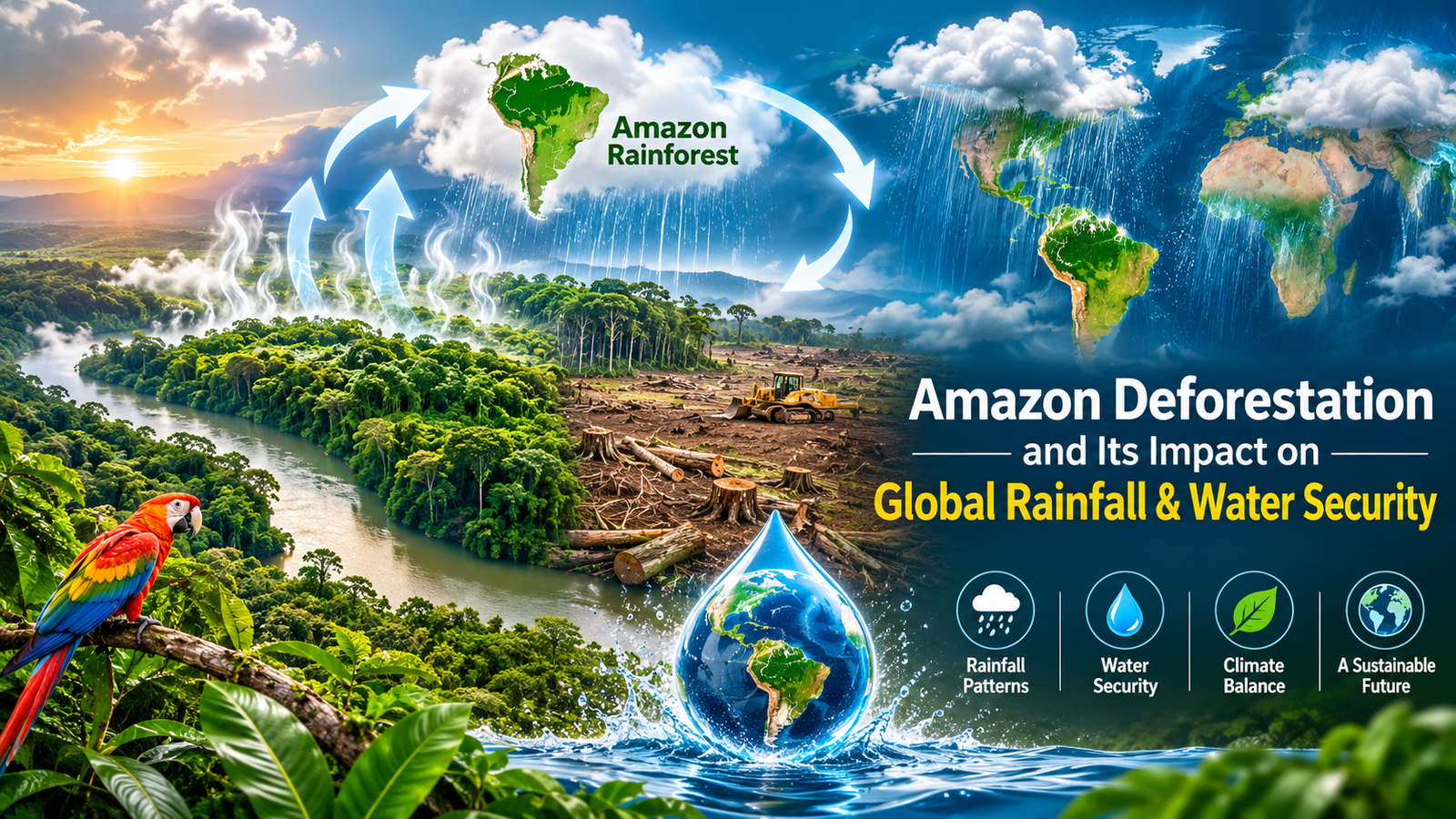
That is why Indigenous communities in the Amazon rainforest matter so much for conservation. Their knowledge, community rules, and territorial defense help keep forests standing. Protecting Indigenous territories is therefore a key part of protecting the Amazon and the global environment. For the climate links, see our guide on how Amazon deforestation changes rainfall and water security.
Who Are the Indigenous Communities Living in the Amazon?
Indigenous peoples live in Brazil, Peru, Colombia, Ecuador, Bolivia, Venezuela, Guyana, Suriname, and French Guiana. They are not one group. They include hundreds of peoples with different languages, cultures, and ways of using the forest. The research network RAISG estimates that some 82 peoples live in voluntary isolation.
The Yanomami and Kayapó in Brazil, the Wampis and Matsés in Peru, the Cofán and Waorani in Ecuador, and the Indigenous peoples of Putumayo in Colombia each face different pressures. They also use different tools. This variety matters, because no single solution fits every community.
Why Do Indigenous Territories Matter for Forest Conservation?
Legally recognized Indigenous territories give communities the right to decide how land is used. This helps them keep out illegal loggers, miners, and land grabbers. Evidence from several studies backs this up:
- An analysis from the Environmental Defense Fund found that 90% of deforestation in the Brazilian Amazon between 1985 and 2020 happened outside Indigenous lands. Only about 1.2% of native vegetation was lost inside them.
- The same analysis says that without Indigenous lands and other protected areas, forest loss in the Brazilian Amazon would be about 35% higher.
- A Woodwell Climate Research Center study found that Indigenous territories and protected areas cover about 52% of the Amazon and hold about 58% of its aboveground carbon.
- A Brookings report on Amazonia notes that a study of Ecuador’s Socio Bosque lands found 99% of Indigenous territories stayed free of deforestation, as shown in its Indigenous Peoples and sustainability report.
A fair note: some Indigenous lands sit in remote areas with less pressure from farms and roads. Researchers also say these territories are not immune to damage. The Woodwell study found that mining and oil concessions overlap nearly a quarter of recognized territories. Land rights help, but they need enforcement.
| Measure | Inside Indigenous territories | Outside Indigenous territories |
|---|---|---|
| Share of Brazilian Amazon deforestation, 1985–2020 | About 10% | About 90% |
| Native vegetation lost, 1985–2020 | About 1.2% | Much higher |
| Net carbon loss (Woodwell study) | Low | About nine times higher |
| Main risks | Mining, oil, fire, degradation | Farming, ranching, roads, logging |
How Does Traditional Ecological Knowledge Protect the Rainforest?
Traditional ecological knowledge is the understanding that communities build over many generations. It covers seasons, rain, soils, plants, animals, and how forests regrow.
How Do Generations of Knowledge Support Forest Sustainability?
Communities know when fruit ripens, when fish spawn, and which soils can be farmed and which need rest. They use medicinal plants, grow native crops, and harvest only what the forest can replace. Elders teach young people through stories, daily work, and community learning. Read more in our post on how Indigenous farming practices inspire modern sustainability.
How Does Traditional Forest Management Protect Biodiversity?
- Protecting native plants and wildlife habitats.
- Fishing, hunting, and gathering within seasonal and community limits.
- Keeping forest gardens diverse with many crops and trees.
- Saving native seeds that suit local soil and climate. Our post on native crops and sustainable food production shows why this matters.
How Are Indigenous Communities Fighting Amazon Deforestation?
How Does Community-Led Forest Monitoring Work?
Communities form patrols that walk, boat, and fly drones over their territory. They use GPS, smartphones, and satellite alerts to record illegal clearing, mining, and logging. They then share the evidence with allies and officials.
In Peru’s Napo River Basin, Indigenous monitors now help protect about 1 million hectares, and women lead many patrols, according to Mongabay. Amazon Conservation reports that deforestation fell 43% in communities supported by the FENAMAD federation in Peru compared with 2020 levels, and also declined in Waorani and Shuar Arutam territories in Ecuador.
How Do Communities Respond to Illegal Logging and Mining?
Illegal gold mining is one of the biggest threats. It clears forest and pollutes rivers with mercury. A survey in nine Yanomami villages found mercury in the hair of every one of the 287 people tested, as reported by EDF Vital Signs. After Brazil’s 2023 crackdown in Yanomami territory, groups such as ISA have trained Yanomami leaders to use drones and apps to report miners.
Evidence still needs a path to action. Mongabay’s review of monitoring in Peru, Ecuador, and Colombia found that Peru has built the closest ties with government agencies, while Ecuador and Colombia still lack clear systems to accept community evidence.
Can Communities Help Prevent Forest Fires?
Yes, in many places. Communities watch for fires, clear small firebreaks, and use local knowledge of dry seasons and vegetation to reduce risk. They also protect wildlife corridors. Fire work is strongest when it is paired with training and support from researchers and fire agencies.
| Approach | Examples | Main strength | Main limit |
|---|---|---|---|
| Traditional knowledge | Seasonal harvests, forest gardens, seed saving | Deep local detail and long-term care | Needs secure land and active teaching |
| Modern monitoring | GPS, drones, satellite alerts, mobile apps | Fast, mapped evidence of threats | Needs training, funding, and trusted use of data |
| Legal action | Land titles, court cases, complaints | Lasting protection | Slow and often under-enforced |
| Country | Example | Key lesson |
|---|---|---|
| Brazil | Yanomami drone monitoring after the 2023 mining crackdown | Community data helps enforcement |
| Peru | Napo River monitors and FENAMAD in Madre de Dios | Local patrols can cut forest loss |
| Ecuador | Cofán, Waorani, and Shuar Arutam territorial defense | Mapping and courts back land claims |
| Colombia | Indigenous guards and monitors in Putumayo and the southern Amazon | Safety risks are high; support is needed |
How Do Indigenous Communities Earn a Living Without Harming the Forest?
How Do Agroforestry and Sustainable Agriculture Help?
Agroforestry mixes trees, crops, and sometimes animals in one system. It keeps soil healthy, supports wildlife, and avoids large clearings. Communities also harvest fruits, nuts, seeds, and fibers in ways that leave the trees standing. Our guide on how protecting wildlife lowers greenhouse gases shows why healthy ecosystems matter for climate.
Can Ecotourism and Forest Businesses Work?
They can, if the community owns and controls them. Community-run lodges, cultural visits, and forest-product businesses can bring income. The goal is to balance money with culture and forest health. Fair prices and secure land rights make these projects last.
What Global Benefits Does Indigenous-Led Conservation Bring?
How Does It Support Climate Stability?
Standing forests hold carbon and release moisture into the air. Brookings notes that Indigenous territories in the Amazon work as net carbon sinks overall. Keeping forests intact also avoids new emissions and helps keep rainfall steady.
How Does It Protect Biodiversity?
Healthy forests keep habitats for endangered species and support pollination and seed spreading. This keeps the whole ecosystem strong. See also our post on native animals as nature’s irrigation engineers.
Why Does Amazon Conservation Matter Beyond South America?
The Amazon is linked to global climate, water cycles, and food supply. Forest loss can raise drought risk, hurt crops, and add carbon to the air. Many countries also set forest targets in global climate talks. For wider climate effects, read how rising temperatures are reshaping ecosystems.
What Challenges Do Indigenous Communities Face?
How Do Land Rights and Illegal Activity Threaten Communities?
Many territories lack full legal title. Pressure comes from cattle ranching, soy, mining, logging, and roads. Leaders who speak out can face threats. At a UN meeting in Vienna in October 2026, Indigenous leaders from Peru, Brazil, Colombia, and Ecuador asked for action on illegal mining and crime, as reported by the Associated Press on PBS.
How Does Climate Change Add Pressure?
Hotter temperatures, drought, and fire make forests and food systems harder to protect. Rivers can run low, and traditional crops and fish can decline. Our post on emergency water strategies for extreme heat covers related heat risks.
Why Are Funding and Recognition Still Limited?
Community patrols often run on small budgets. Climate and conservation money does not always reach Indigenous organizations directly. Leaders also say they need a stronger voice in policy decisions.
| Threat | Effect on forest and people | Helpful response |
|---|---|---|
| Illegal gold mining | Clearing and mercury in rivers and fish | Enforcement, monitoring, health support |
| Illegal logging and land grabbing | Forest loss and conflict | Land titles and patrols |
| Fire and drought | Forest damage and food loss | Fire prevention and climate support |
| Weak funding | Limited patrols and training | Direct, fair access to funding |
How Can Governments, Businesses, and Individuals Support Indigenous Conservation?
How Can Governments Strengthen Land Rights and Policy?
They can recognize and map Indigenous territories, enforce laws against illegal mining and deforestation, and include Indigenous leaders in decisions.
How Can Responsible Investment Help?
Funders can support community-led projects with clear and open rules. Projects should respect free, prior, and informed consent. Businesses can buy from sustainable Indigenous enterprises and check supply chains for links to illegal clearing.
What Can Individuals Do?
- Choose responsibly sourced beef, soy, timber, and gold.
- Support credible Indigenous-led organizations.
- Share accurate information about rainforest protection.
| Group | Key actions |
|---|---|
| Governments | Land titles, enforcement, inclusive decisions |
| Funders and businesses | Direct funding, fair trade, clean supply chains |
| Individuals | Responsible buying, support, awareness |
What Is the Future of Indigenous-Led Amazon Conservation?
Indigenous leadership can shape forest protection for decades. Traditional knowledge and modern tools can work side by side. Land rights, fair livelihoods, and international cooperation need to move together. Most of all, Indigenous peoples should be seen as conservation leaders, not just people who receive aid.
Conclusion: Protecting Indigenous Communities Means Protecting the Amazon
Indigenous communities guard forests through knowledge, patrols, and legal action. Strong territorial rights go hand in hand with less forest loss, stored carbon, and richer biodiversity. These benefits reach far beyond South America.
The evidence has limits, and territories still face serious threats. But the direction is clear. Respecting Indigenous rights and backing locally led solutions is a shared global responsibility. Explore more in our Environment and Climate categories.
Frequently Asked Questions (FAQs)
How do Indigenous communities protect the Amazon rainforest?
They protect it by governing their territories, patrolling for illegal activity, and using traditional farming and harvesting methods. Many also use GPS, drones, and satellite alerts to document threats. They report what they find to authorities and, when needed, take legal action to defend their land.
Why are Indigenous territories important for Amazon conservation?
Studies in several countries show that forests in Indigenous territories lose less tree cover than similar lands outside them. They also store large amounts of carbon. Legal land rights give communities the power to keep outsiders from clearing, mining, or logging.
How does traditional Indigenous knowledge help protect biodiversity?
Communities know local plants, animals, soils, and seasons very well. They use this knowledge to harvest in balance, keep forest gardens diverse, and save native seeds. Elders pass these skills to younger people, which keeps practices alive over generations.
What are the biggest threats Indigenous communities face in the Amazon?
The main threats are illegal gold mining, illegal logging, land grabbing, cattle ranching, and fires. Mercury pollution from mining harms rivers and health. Climate change, drought, weak law enforcement, and violence against leaders add more pressure.
How do Indigenous communities prevent deforestation?
They monitor forest boundaries, record and report illegal clearing, and work with allies who provide training, satellite data, and legal support. Strong land titles help, because they give communities a clear legal basis to act. Community-led monitoring has been linked to lower forest loss in parts of Peru and Ecuador.
What role do Indigenous people play in fighting climate change?
By keeping forests standing, they keep carbon locked in trees and soil. Research shows that Indigenous territories in the Amazon act as net carbon sinks overall. Protecting these forests also helps keep rainfall steady across the region.
How can governments support Indigenous-led forest conservation?
Governments can legally recognize and map Indigenous territories, enforce laws against illegal mining and logging, and include communities in decisions. They can also fund community patrols and give direct access to climate and conservation money, with free, prior, and informed consent.
Can sustainable agriculture help protect the Amazon rainforest?
Yes. Agroforestry mixes trees with crops and keeps soil healthy without clearing new land. Harvesting forest products such as nuts, fruits, and fibers gives families income while keeping trees standing. It works best with fair markets and secure land rights.
Trusted Sources and Further Reading
| Organization | Research focus |
|---|---|
| Amazon Conservation Team | Indigenous territorial protection and community-led conservation |
| COICA | Indigenous rights and Amazon-wide advocacy |
| RAISG | Indigenous territories, deforestation, and monitoring |
| FAO | Indigenous peoples, forests, and sustainable livelihoods |
| World Resources Institute | Forest monitoring and deforestation research |
| UNEP | Global biodiversity and ecosystem conservation |
Note: figures come from the studies named above and may change as new data arrives.