




How Microplastics Travel From Rivers Into Agricultural Soil and Food Systems

How Microplastics Travel From Rivers Into Agricultural Soil Quick answer: Microplastics travel from rivers into farmland mainly through irrigation water, floods, and the reuse of treated wastewater or sewage sludge. Wind can add more. Once in soil, they can stay for a long time and may change soil health. Whether they move into crops and…

Read Full News

How Indigenous Communities Are Protecting the World’s Largest Tropical Rainforest

Indigenous Communities Protecting the Amazon Rainforest Quick answer: Indigenous communities protect the Amazon by defending their territories, patrolling for illegal logging and mining, and using traditional knowledge to manage forests in balance. Studies show that Indigenous lands lose less forest than surrounding areas and store large amounts of carbon. Secure land rights, funding, and legal…

Read Full News

How Amazon Deforestation Is Changing Global Rainfall Patterns and Water Security

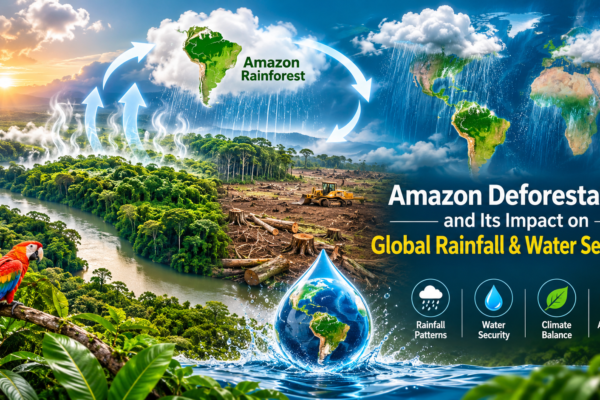
Amazon Deforestation Effects on Global Rainfall & Water Quick answer: Amazon deforestation reduces the water vapor that trees release into the air. This weakens moisture recycling, shortens and dries the rainy season, and raises drought risk across the Amazon basin and connected parts of South America. Effects on rivers, farms, and water supplies can follow….

Read Full News

How Do Native Wetlands Save Water? Lessons for Smart Farms

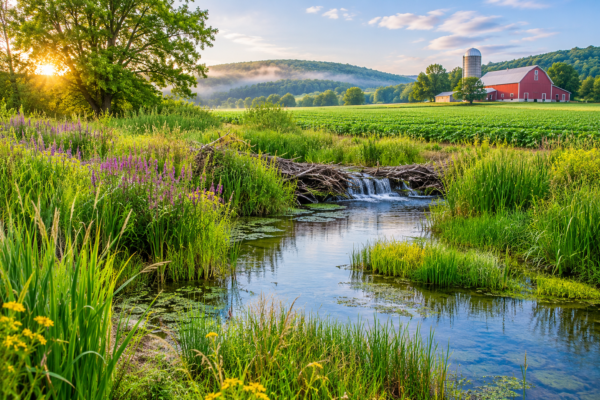
How Do Native Wetlands Save Water? Lessons for Smart Farms Quick answer: Native wetlands save water by slowing it down, filtering it, and storing it. Wildlife such as beavers and muskrats keep this system working. Farms can copy it with constructed wetlands, planted swales, and closed-loop irrigation. In this Article Why Do Native Wetlands Matter…

Read Full News
Native Animals That Act as Nature’s Ultimate Irrigation Engineers

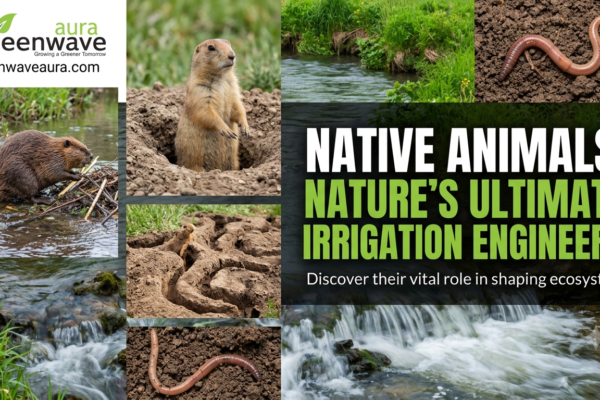
Native Animals That Act as Nature’s Ultimate Irrigation Engineers

Long before pumps, pipes, and center-pivot sprinklers, wild animals were already managing water across entire landscapes. Beavers, prairie dogs, wombats, and dozens of other native species move soil, slow streams, and open channels for rainwater in ways engineers are only now learning to copy. For farmers and landowners facing rising energy bills and deepening droughts,…

Read Full News
Essential Water Conservation Tech for Modern Agribusiness

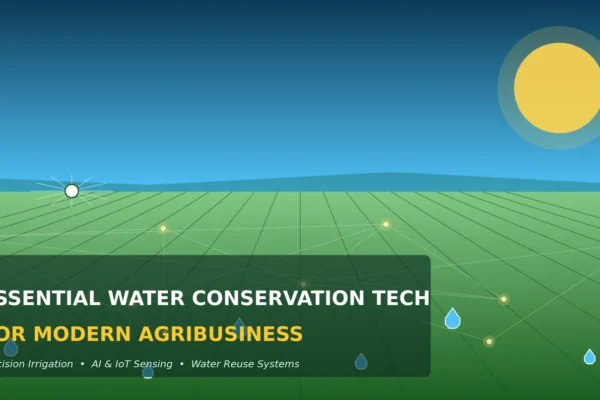
Essential Water Conservation Tech for Modern Agribusiness

Water is quietly becoming the most consequential input on the modern farm – more decisive to next season’s yield than fertilizer, seed genetics, or even labor. Agriculture accounts for roughly 72% of all freshwater withdrawn globally, according to the Food and Agriculture Organization of the United Nations (FAO) AQUASTAT 2025 snapshot, and renewable freshwater availability…

Read Full News
MODERN EMERGENCY WATER STRATEGIES FOR EXTREME HEAT IN AGRICULTURE

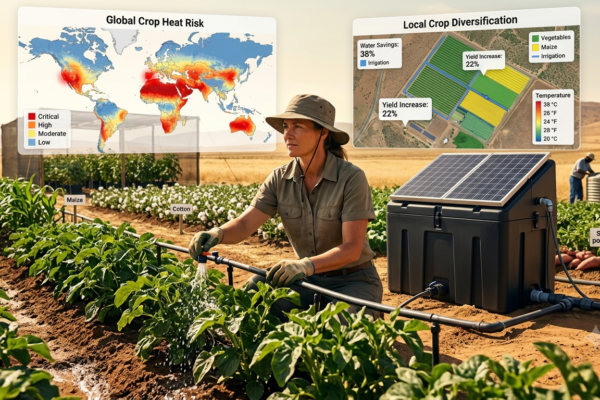
MODERN EMERGENCY WATER STRATEGIES FOR EXTREME HEAT IN AGRICULTURE

Extreme heat is no longer a once-a-decade event that farmers ride out and forget. It is becoming the operating condition of modern agriculture. A joint 2026 report from the Food and Agriculture Organization (FAO) and the World Meteorological Organization (WMO) found that extreme heat now threatens the livelihoods of roughly 1.23 billion people worldwide and…

Read Full News