






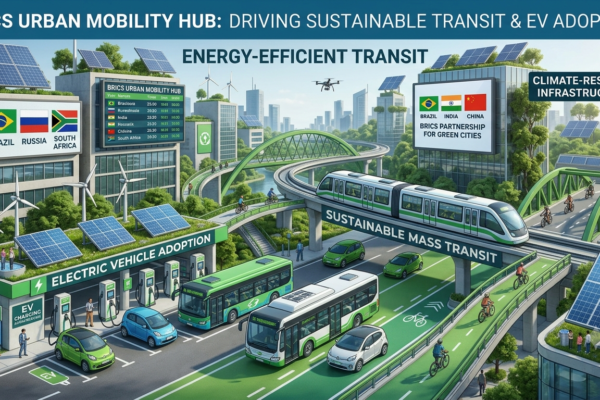
BRICS Urban Mobility Hub: EV Adoption, Sustainable Transit, and Climate-Resilient Infrastructure

With over 70 percent of global emissions tied to cities, the new BRICS Urban Mobility Hub and Voluntary Principles for Climate-Resilient Urban Infrastructure aim to help fast-growing Global South cities electrify transit and flood-proof their infrastructure together. Key Takeaways Cities Are Where the Climate Fight Is Actually Won or Lost More than 70 percent of…

Read Full News
Beyond Glacial Lakes Structural Bedrock Failure and the New Wave of High-Altitude Hazards

Beyond Glacial Lakes: Structural Bedrock Failure and the New Wave of High-Altitude Hazards

An evidence-based briefing on ice-rock avalanches, permafrost degradation, and compound hazard chains in the Hindu Kush Himalaya. I. Introduction: A Paradigm Shift in Himalayan Hazard Science For three decades, the dominant mental model of Himalayan disaster risk has centred on one image: a glacial lake, swollen by decades of ice melt, bursting through its earthen…

Read Full News
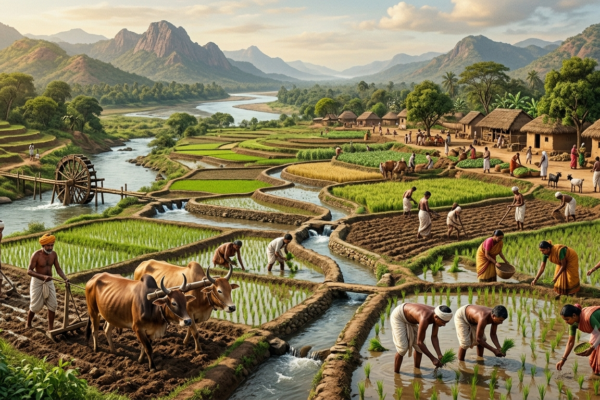
How Indigenous Farming Practices Are Inspiring Modern Sustainability

How Indigenous Farming Practices Are Inspiring Modern Sustainability

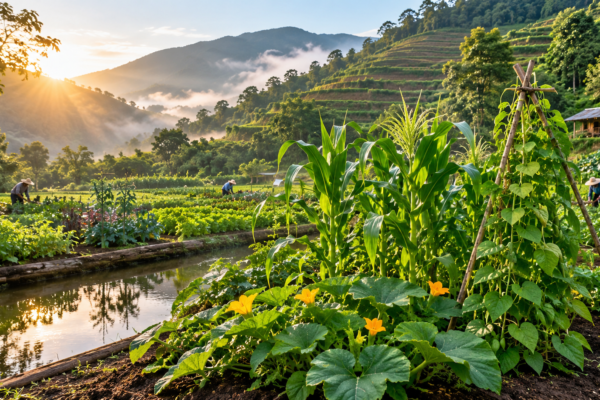
Long before the words ‘regenerative agriculture’ or ‘agroecology’ entered a single sustainability report, Indigenous communities across the Amazon, the Andes, the Pacific Northwest, the Himalayas, and the Australian outback were already farming in ways that healed soil, conserved water, and worked with – rather than against – natural ecosystems. Today, as industrial agriculture buckles under…

Read Full News
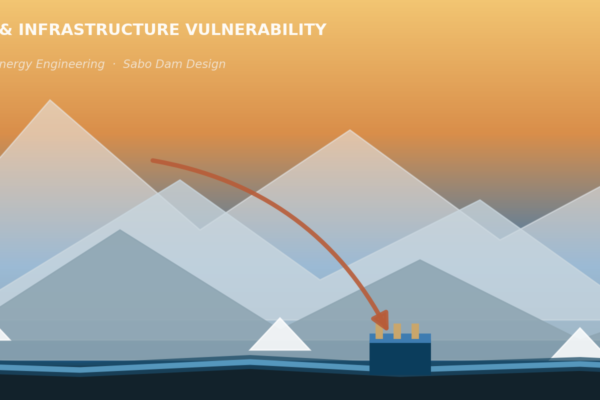
Mitigating Climate-Induced Threats to Himalayan Hydro Infrastructure

Energizing Risk: Mitigating Climate-Induced Threats to Himalayan Hydro Infrastructure

1. Introduction 1.1 The Hydropower Expansion Boom in Nepal’s Glaciated Basins Nepal has staked its economic future on hydropower. With an estimated theoretical potential exceeding 80,000 MW drawn from its snow- and glacier-fed rivers, the country has spent the past decade racing to build run-of-river (RoR) plants along the Trishuli, Bhote Koshi, Tama Koshi, and…

Read Full News
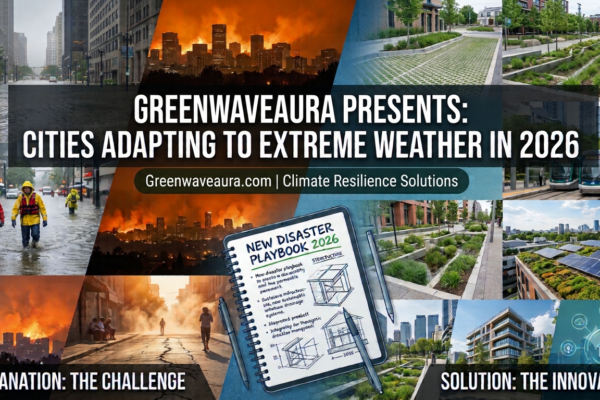
How 2026’s Extreme Weather Is Forcing Cities to Completely Rewrite Their Disaster Playbooks

How 2026’s Extreme Weather Is Forcing Cities to Completely Rewrite Their Disaster Playbooks

Seven months into 2026 and the world’s cities have already lived through a preview of what climate scientists have been warning about for a decade: extreme weather that arrives faster, hits harder, and breaks records that were supposed to last generations. A summer town in South Australia hit 49.5°C. Snow drifts in northern Japan buried…

Read Full News
Native Animals That Act as Nature’s Ultimate Irrigation Engineers

Native Animals That Act as Nature’s Ultimate Irrigation Engineers

Long before pumps, pipes, and center-pivot sprinklers, wild animals were already managing water across entire landscapes. Beavers, prairie dogs, wombats, and dozens of other native species move soil, slow streams, and open channels for rainwater in ways engineers are only now learning to copy. For farmers and landowners facing rising energy bills and deepening droughts,…

Read Full News
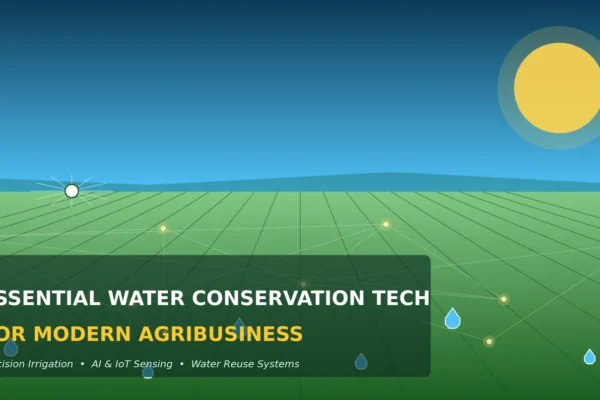
Essential Water Conservation Tech for Modern Agribusiness

Essential Water Conservation Tech for Modern Agribusiness

Water is quietly becoming the most consequential input on the modern farm – more decisive to next season’s yield than fertilizer, seed genetics, or even labor. Agriculture accounts for roughly 72% of all freshwater withdrawn globally, according to the Food and Agriculture Organization of the United Nations (FAO) AQUASTAT 2025 snapshot, and renewable freshwater availability…

Read Full News