





Can Machine Learning Save the Planet Before Data Centers Melt the Grid?

Every ChatGPT reply, every Gemini image, every AI agent quietly working through a spreadsheet draws real electricity from a real power plant somewhere. In 2025 alone, electricity use at AI-focused data centers jumped 50% – sixteen times faster than global electricity demand grew overall. At the same time, the machine learning models running inside those…

Read Full News
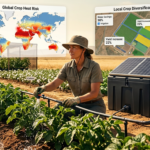
MODERN EMERGENCY WATER STRATEGIES FOR EXTREME HEAT IN AGRICULTURE

MODERN EMERGENCY WATER STRATEGIES FOR EXTREME HEAT IN AGRICULTURE

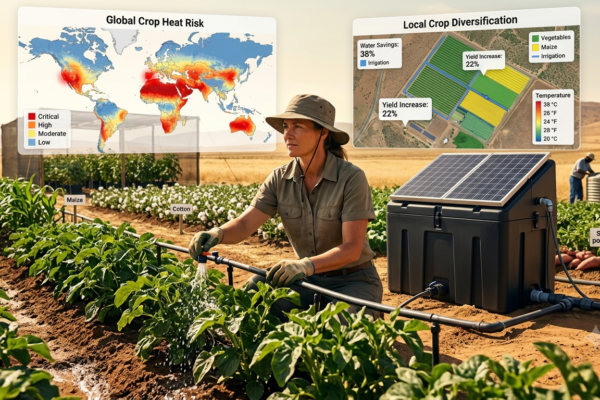
Extreme heat is no longer a once-a-decade event that farmers ride out and forget. It is becoming the operating condition of modern agriculture. A joint 2026 report from the Food and Agriculture Organization (FAO) and the World Meteorological Organization (WMO) found that extreme heat now threatens the livelihoods of roughly 1.23 billion people worldwide and…

Read Full News
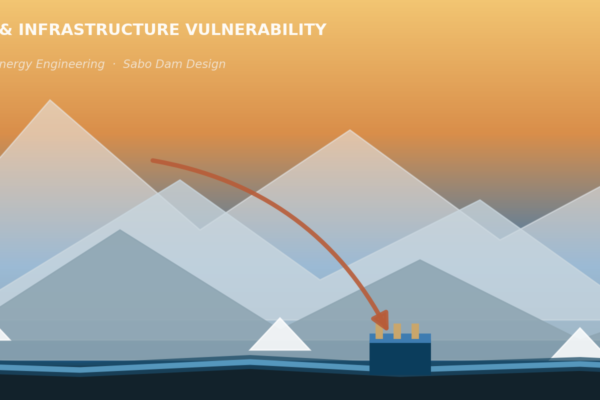
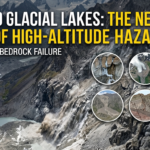
Mitigating Climate-Induced Threats to Himalayan Hydro Infrastructure

Energizing Risk: Mitigating Climate-Induced Threats to Himalayan Hydro Infrastructure

1. Introduction 1.1 The Hydropower Expansion Boom in Nepal’s Glaciated Basins Nepal has staked its economic future on hydropower. With an estimated theoretical potential exceeding 80,000 MW drawn from its snow- and glacier-fed rivers, the country has spent the past decade racing to build run-of-river (RoR) plants along the Trishuli, Bhote Koshi, Tama Koshi, and…

Read Full News

The Smart Greenhouse Secret: Why Surrounding Your Facility with Wild Ecosystems Saves Energy

Controlled Environment Agriculture (CEA) promises precision: exact temperature, exact humidity, exact light. But precision costs energy, and energy is usually the single largest line item in a commercial greenhouse budget. What if the landscape around your greenhouse could do part of that climate-control work for free? Decades of forestry and agricultural extension research confirm that…

Read Full News
How 2026’s Extreme Weather Is Forcing Cities to Completely Rewrite Their Disaster Playbooks

How 2026’s Extreme Weather Is Forcing Cities to Completely Rewrite Their Disaster Playbooks

Seven months into 2026 and the world’s cities have already lived through a preview of what climate scientists have been warning about for a decade: extreme weather that arrives faster, hits harder, and breaks records that were supposed to last generations. A summer town in South Australia hit 49.5°C. Snow drifts in northern Japan buried…

Read Full News
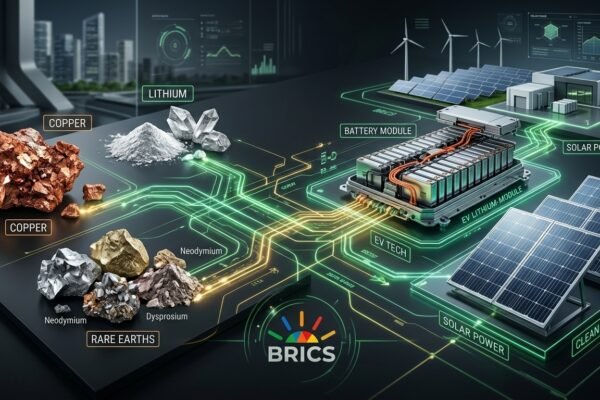
BRICS Green Supply Chains Securing Critical Minerals for EV and Solar Hardware

BRICS Green Supply Chains: Securing Critical Minerals for EV and Solar Hardware

The New Delhi Declaration puts critical minerals at the centre of BRICS climate strategy, warning against the weaponisation of technology and pushing Global South nations up the clean-energy value chain. Key Takeaways Sun and Wind Are Not the Only Inputs the Energy Transition Needs It is easy to think of the clean-energy transition purely in…

Read Full News
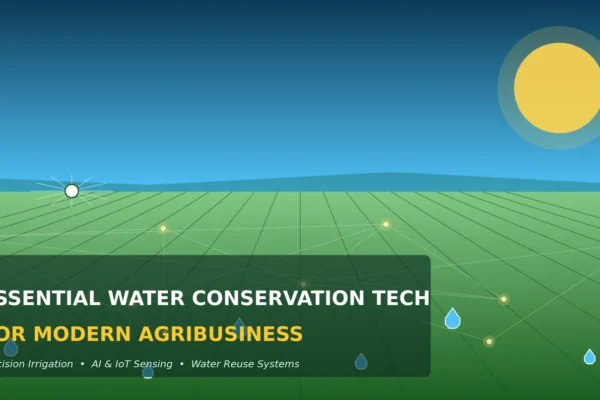
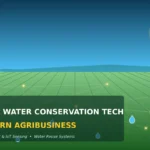
Essential Water Conservation Tech for Modern Agribusiness

Essential Water Conservation Tech for Modern Agribusiness

Water is quietly becoming the most consequential input on the modern farm – more decisive to next season’s yield than fertilizer, seed genetics, or even labor. Agriculture accounts for roughly 72% of all freshwater withdrawn globally, according to the Food and Agriculture Organization of the United Nations (FAO) AQUASTAT 2025 snapshot, and renewable freshwater availability…

Read Full News
Local-Currency Green Financing Is a Game-Changer for Climate Action

Beyond the Dollar: Why Local-Currency Green Financing Is a Game-Changer for Climate Action

The New Development Bank is scaling up local-currency lending for green infrastructure – a shift that could remove one of the biggest hidden costs slowing down solar, wind, and hydrogen projects across the Global South. Key Takeaways The Hidden Cost That Stalls Green Projects: Currency Risk A solar park or green-hydrogen plant can pencil out…

Read Full News